
Diabetes is a chronic condition that affects both dogs and cats, just as it does humans. It occurs when the body cannot produce enough insulin or effectively use the insulin it produces, leading to high blood sugar levels. If left untreated, diabetes can cause severe health complications in pets, including organ damage and even death. However, with proper management, pets with diabetes can lead happy and healthy lives.
Diabetes is a chronic condition that affects both dogs and cats, just as it does humans. It occurs when the body cannot produce enough insulin or effectively use the insulin it produces, leading to high blood sugar levels. If left untreated, diabetes can cause severe health complications in pets, including organ damage and even death. However, with proper management, pets with diabetes can lead happy and healthy lives.
1. What Is Diabetes in Pets?
Definition
Diabetes mellitus is a metabolic disorder characterized by high blood sugar levels (hyperglycemia) due to insufficient insulin production or insulin resistance. Insulin is a hormone produced by the pancreas that helps regulate blood sugar levels and allows cells to use glucose for energy.
Types of Diabetes
- Type 1 Diabetes: Occurs when the pancreas produces little or no insulin. This type is more common in dogs and requires lifelong insulin therapy.
- Type 2 Diabetes: Occurs when the body becomes resistant to insulin or the pancreas doesn’t produce enough insulin. This type is more common in cats and can sometimes be managed with diet and lifestyle changes.
2. Causes of Diabetes in Pets
Genetic Predisposition
Certain breeds are more prone to diabetes, including:
- Dogs: Samoyeds, Miniature Schnauzers, Poodles, and Dachshunds.
- Cats: Burmese and Siamese cats.
Obesity
Excess weight is a significant risk factor for diabetes, especially in cats. Obesity can lead to insulin resistance, making it harder for the body to regulate blood sugar levels.
Age and Gender
Older pets are more likely to develop diabetes. Female dogs and male cats are also at higher risk.
Pancreatic Issues
Conditions such as pancreatitis (inflammation of the pancreas) can impair insulin production and lead to diabetes.
Steroid Use
Long-term use of corticosteroids can increase the risk of diabetes in pets by causing insulin resistance.
3. Symptoms of Diabetes in Dogs and Cats
Common Symptoms
- Increased Thirst and Urination: High blood sugar levels cause the kidneys to excrete excess sugar, leading to increased urination and thirst.
- Increased Appetite: Despite eating more, pets with diabetes may lose weight because their bodies cannot use glucose effectively.
- Weight Loss: Without proper glucose utilization, the body begins to break down fat and muscle for energy.
Advanced Symptoms
- Lethargy: Pets may become tired and less active due to a lack of energy.
- Cataracts (in Dogs): High blood sugar levels can cause cloudiness in the lens of the eye, leading to cataracts and vision loss.
- Vomiting and Diarrhea: These symptoms can occur in severe cases of diabetes, especially if left untreated.
- Weakness or Collapse: In extreme cases, pets may experience weakness or collapse due to low blood sugar (hypoglycemia) or diabetic ketoacidosis (a life-threatening condition).
4. Diagnosing Diabetes in Pets

Veterinary Examination
If you notice any symptoms of diabetes, take your pet to the veterinarian for a thorough examination. The vet will assess your pet’s overall health and look for signs of diabetes.
Blood Tests
A blood test will measure your pet’s blood glucose levels. Consistently high blood sugar levels are a key indicator of diabetes.
Urine Tests
A urine test can detect the presence of glucose and ketones, which are byproducts of fat breakdown that accumulate in the blood when insulin is insufficient.
5. Managing Canine and Feline Diabetes
Insulin Therapy
- Type 1 Diabetes: Dogs and some cats with Type 1 diabetes require daily insulin injections to regulate their blood sugar levels. Your vet will teach you how to administer insulin at home.
- Type 2 Diabetes: Cats with Type 2 diabetes may respond to oral medications or dietary changes, but some may still require insulin.
Diet and Nutrition
- High-Protein, Low-Carbohydrate Diet: This type of diet is especially important for cats, as it helps regulate blood sugar levels and promotes weight loss.
- Consistent Feeding Schedule: Feed your pet at the same times each day to maintain stable blood sugar levels.
- Weight Management: If your pet is overweight, work with your vet to develop a weight loss plan. Even a small reduction in weight can improve insulin sensitivity.
Exercise
Regular exercise helps regulate blood sugar levels and maintain a healthy weight. However, avoid overexertion, as this can cause blood sugar levels to drop too low.
Monitoring Blood Sugar Levels
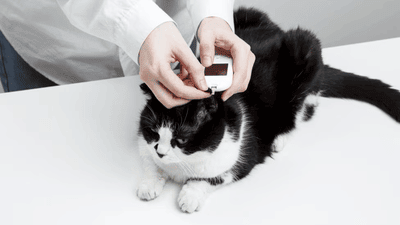
Your vet may recommend monitoring your pet’s blood sugar levels at home using a glucometer. This helps ensure that insulin dosages are effective and allows for timely adjustments.
6. Complications of Untreated Diabetes

Diabetic Ketoacidosis (DKA)
DKA is a life-threatening condition that occurs when the body breaks down fat for energy, producing toxic ketones. Symptoms include vomiting, lethargy, and a sweet-smelling breath.
Cataracts (in Dogs)
High blood sugar levels can lead to the formation of cataracts, causing vision loss or blindness.
Kidney Disease
Diabetes can damage the kidneys, leading to chronic kidney disease.
Neuropathy
Nerve damage, particularly in the hind legs, can cause weakness or difficulty walking.
7. Preventing Diabetes in Pets
Maintain a Healthy Weight
Obesity is a significant risk factor for diabetes, so ensure your pet maintains a healthy weight through a balanced diet and regular exercise.
Regular Veterinary Checkups
Routine checkups allow your vet to detect early signs of diabetes and other health issues.
Avoid Overfeeding
Limit treats and table scraps, which can contribute to weight gain and insulin resistance.
Monitor Blood Sugar in High-Risk Pets
If your pet is predisposed to diabetes due to breed or age, consider regular blood sugar monitoring to catch the condition early.
8. Living with a Diabetic Pet
Daily Routine
Establish a consistent daily routine for feeding, exercise, and insulin administration to help manage your pet’s diabetes effectively.
Educate Yourself
Learn as much as you can about diabetes and how it affects your pet. This will help you make informed decisions and provide the best care.
Support from Your Vet
Work closely with your veterinarian to develop a tailored management plan for your pet. Regular follow-ups are essential for monitoring progress and making adjustments as needed.
Patience and Understanding
Managing diabetes can be challenging, but with patience and dedication, you can help your pet live a comfortable and happy life.
9. Success Stories and Tips from Pet Owners
Success Stories
Many pet owners have successfully managed their pets’ diabetes. For example, one owner shared how their diabetic cat thrived after switching to a high-protein diet and receiving daily insulin injections.
Tips from Experts
- Consistency is Key: Stick to a regular schedule for feeding, exercise, and insulin administration.
- Monitor Closely: Keep track of your pet’s blood sugar levels, appetite, and behavior to identify any changes early.
- Stay Positive: A positive attitude can make a big difference in managing your pet’s diabetes and keeping them happy.
Conclusion
Diabetes in dogs and cats is a manageable condition with the right care and attention. By recognizing the symptoms, seeking prompt veterinary care, and following a tailored management plan, you can help your pet live a healthy and fulfilling life. Regular monitoring, a balanced diet, and insulin therapy (if needed) are key components of diabetes management. Remember, your veterinarian is your best resource for guidance and support. With dedication and love, you can provide your diabetic pet with the care they need to thrive.